Investing in the Willamette Valley: What to Look For

I bought my first investment property in 2013, and the way I evaluate deals today still comes from that experience: look at the numbers first, then let the vision earn its place. The Willamette Valley offers an entry point that stays more affordable than the Portland metro while holding steady demand from renters, families, and commuters. Here is the framework I use with investor clients.
Start with the rent, not the price
A rental property is a business, and its revenue is the rent. Before we talk about a purchase price we talk about realistic rent for the home as it sits, and realistic rent after any improvements. If those two numbers are close, the improvements may not be worth the risk. If they are far apart, that gap is the opportunity.
I help investors build a simple model with the monthly rent, vacancy and maintenance reserves, property taxes, insurance, and management costs, then compare what is left against the cash you would need to put down. That clear picture is the whole game.
Understand the Salem-Keizer market
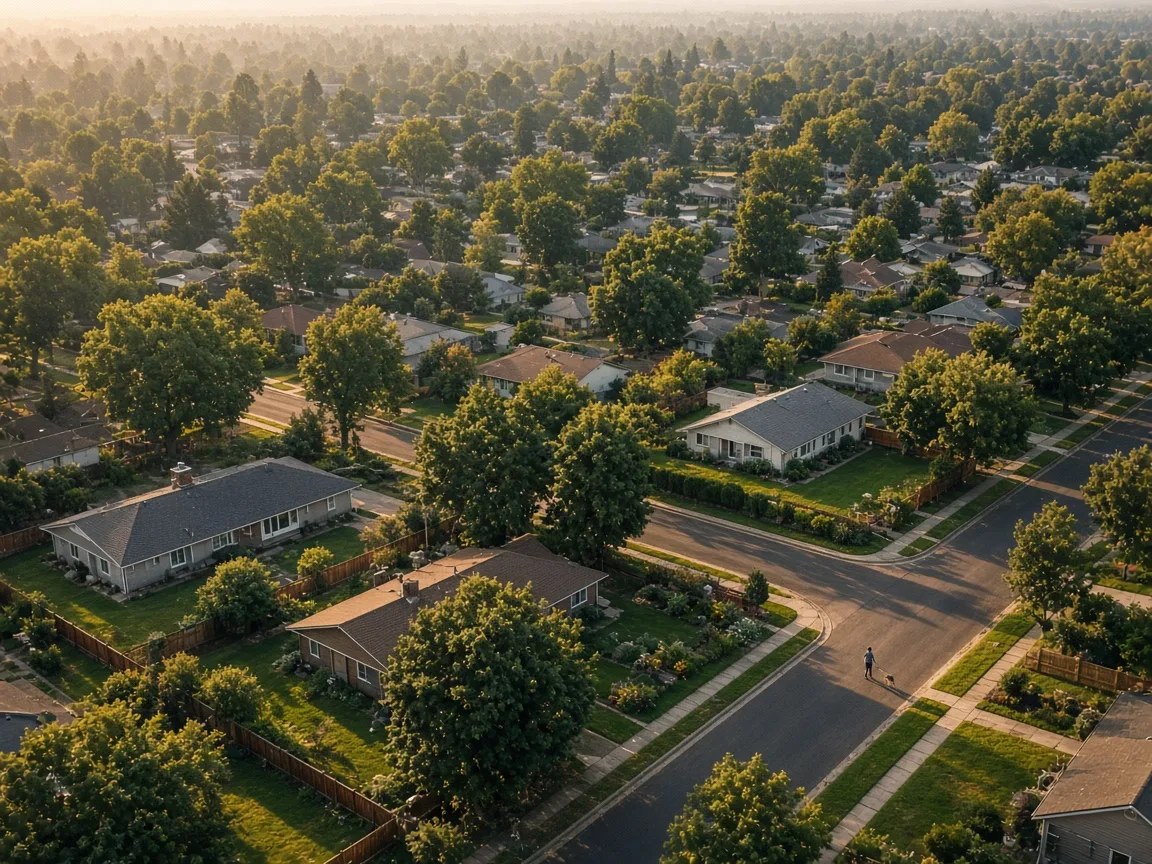
Recent data puts Salem's median home price around $450,000, roughly a fifth below the Portland metro. That affordability gap is exactly why so many buyers and investors look here first: the same dollar goes measurably further, and steady demand from families, state employees, and Portland-bound commuters keeps the rental pool healthy.
Markets here tend to move more slowly and predictably than Portland's, which suits long-term investors who want to build equity over time rather than chase fast flips.
Favor boring neighborhoods with strong basics
The best rentals are rarely the most glamorous. I look for homes near good schools, parks, and commuting routes, in neighborhoods where families actually want to stay for years. Stable tenancy beats frequent turnover, and turnover costs money in vacancy, cleaning, and repairs.
A slightly older home on a great street can outperform a newer home in a thin rental market. We will look at the neighborhood's rental history, not just its curb appeal.
Run the numbers on the value-add
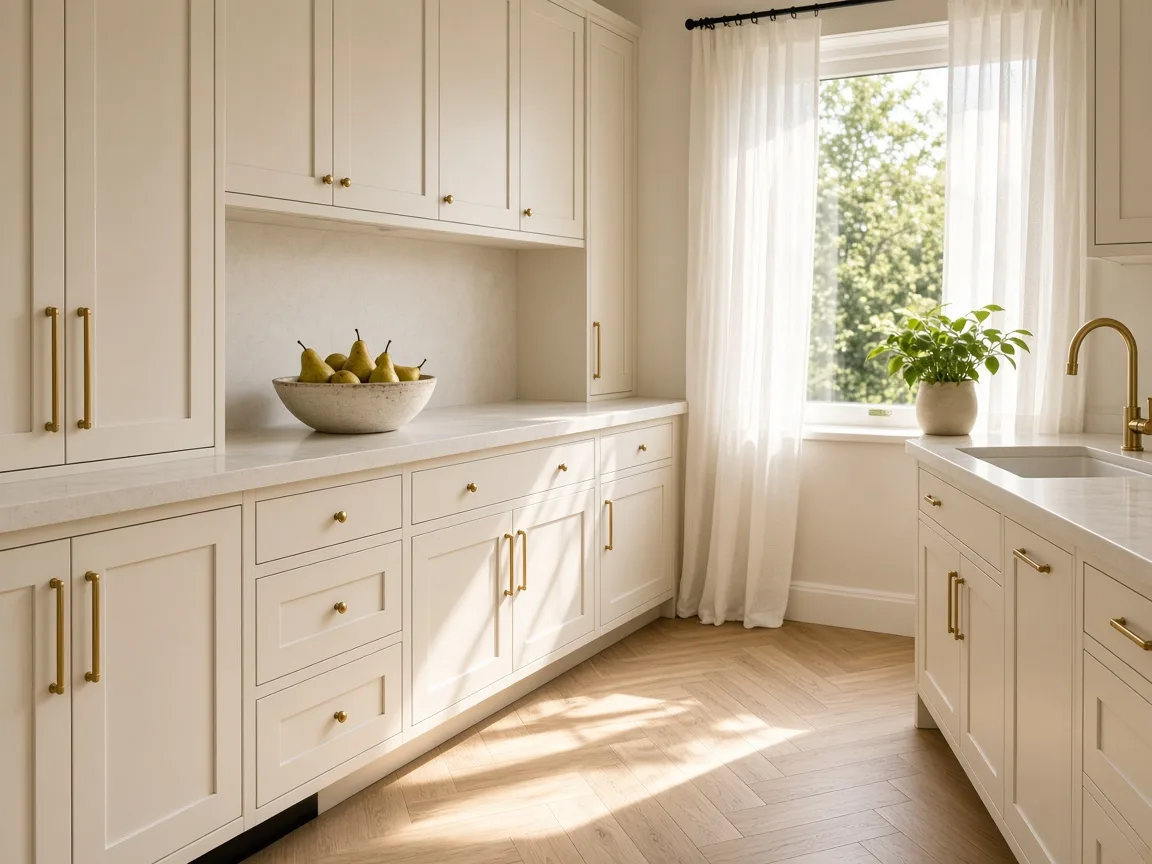
Where my design background meets investing is the value-add: the improvement that raises rent or resale more than it costs. Paint, flooring, kitchens, and bathrooms are the classic levers, and I can help you price realistic renovation ranges before you commit to a property.
The discipline is the same as for a buyer: cost versus value to the next tenant or buyer. I have seen investors over-improve rental properties for years. My job is to keep the vision aligned with the math, so the project adds value instead of just adding cost.
Plan for the long game
Willamette Valley property values have grown over the long run, and investors who hold through the cycles have built real wealth. My advice is to buy what you can carry through a vacancy or a repair, keep reserves on hand, and treat the property like a business from day one.
Whether you are buying your first rental or growing a portfolio, let's look at the numbers together. That is where every smart real estate decision starts.